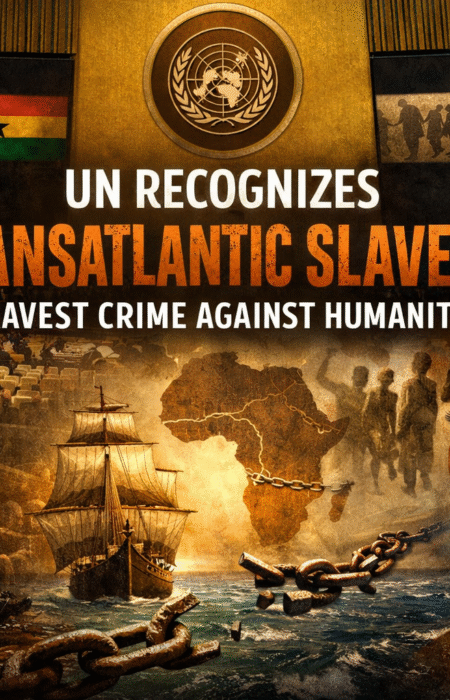


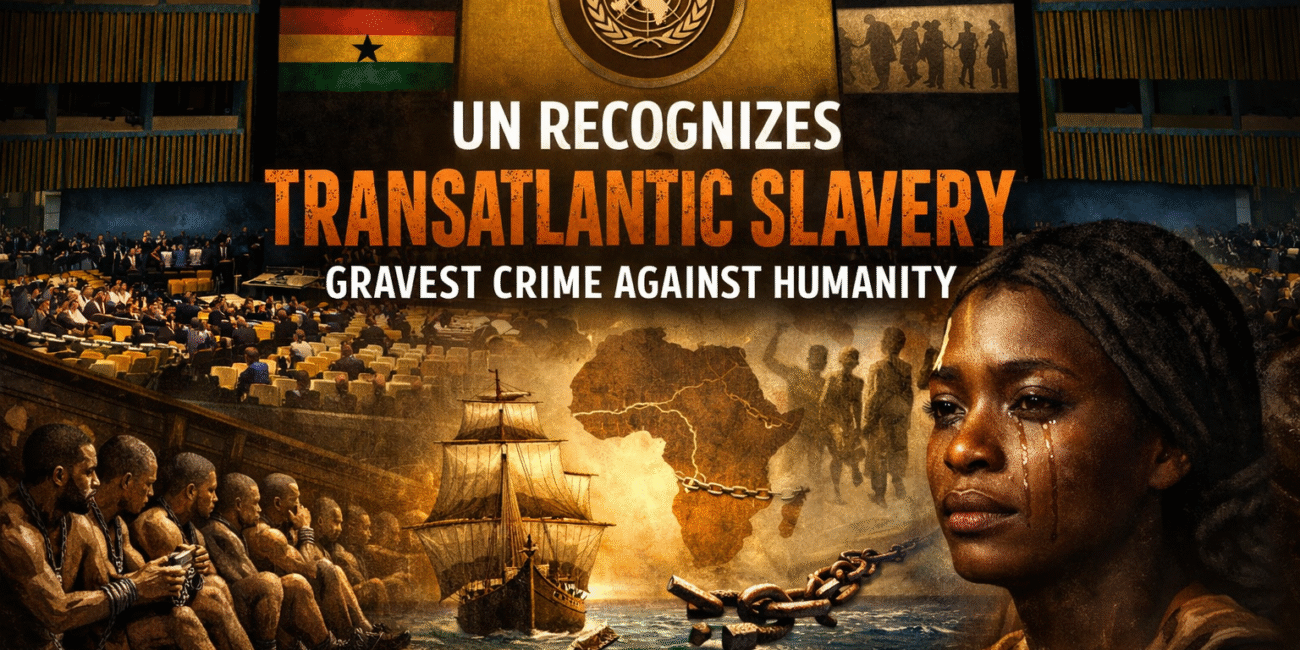
The United Nations General Assembly has adopted a landmark resolution—led by Ghana—formally recognising the transatlantic slave trade and slavery as the “gravest crime against humanity.”
This marks one of the strongest moral and political statements ever issued by the UN on the historical injustice of slavery.
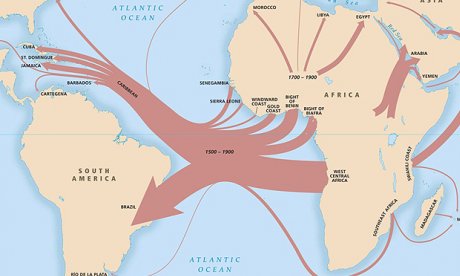
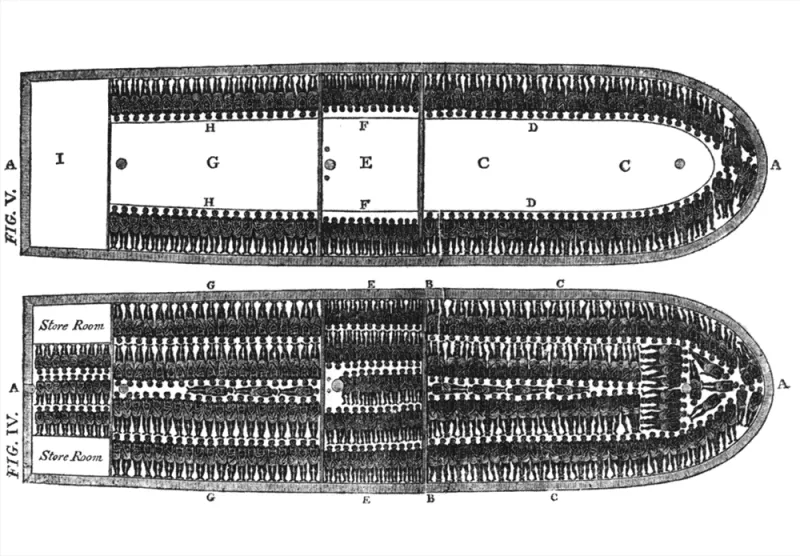
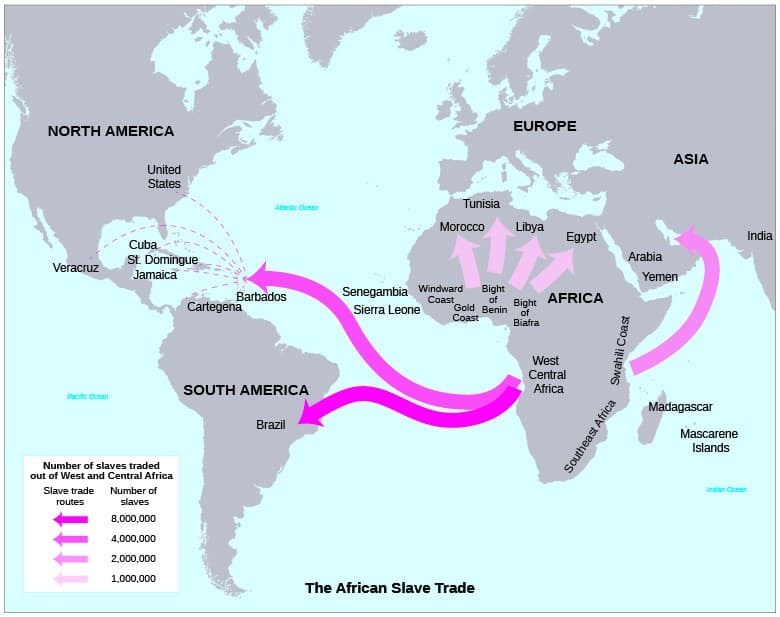
The transatlantic slave trade—spanning the 15th to 19th centuries—forced over 12 million Africans into brutal conditions across the Americas.

While slavery has long been condemned globally, this resolution:
- Elevates its status to the gravest crime against humanity
- Reinforces calls for historical justice and reparations
- Strengthens the moral case for global acknowledgment and education
Ghana’s Role and Motivation
Ghana has positioned itself as a global voice for African historical justice—especially through initiatives like:
- The “Year of Return” (2019)
- Diaspora engagement policies
- Advocacy for reparations
By sponsoring this resolution, Ghana is pushing for:
- A unified global narrative on slavery’s impact
- Formal recognition of intergenerational harm
- Increased pressure on former colonial powers
Opposition and Global Tensions
Despite its moral weight, the resolution faced resistance from several countries, including:
- United States
- Israel
- Argentina
- Some European nations
Why the pushback?
Opposition reportedly centered on:
- Concerns about legal implications, especially around reparations
- Fear of precedent-setting language in international law
- Political sensitivities tied to national histories
This highlights an ongoing divide between:
- Nations advocating for historical accountability
- Nations cautious about legal and financial consequences
Bigger Implications
1. Reparations Debate Intensifies
This resolution adds weight to calls from organizations like CARICOM, which has long demanded reparations from former slave-trading nations.
2. Shift in Global Narrative
By labeling slavery as the gravest crime:
- It reframes global history
- Elevates African suffering to a central place in human rights discourse
3. Cultural & Identity Impact
For the African diaspora:
- It validates centuries of lived experience
- Strengthens identity, memory, and collective consciousness
What Happens Next?
While the resolution is non-binding, its impact is symbolic and strategic:
- Influences future UN discussions
- Strengthens legal and moral arguments globally
- Encourages countries to revisit education, memorialisation, and policy